
Walking Through the Karenni Camp 1: Education, Health, and Hope
September 2025
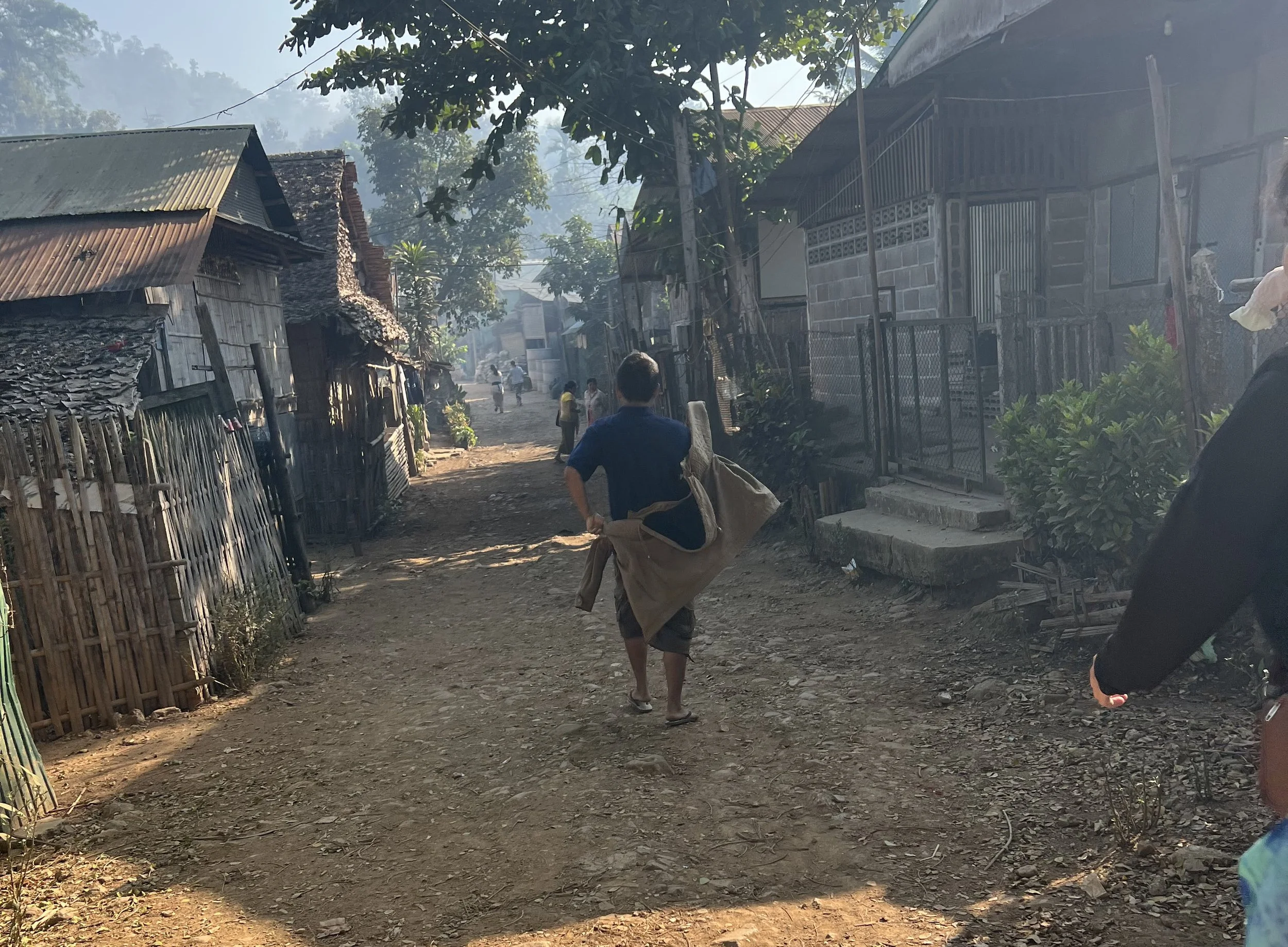
The day began at the Karenni Education Department, where I was warmly welcomed by several of the leaders and coordinators. They led me through the dusty paths to several schools — from lively kindergartens to middle schools buzzing with activity. Despite the heavy heat, children were gathered in classrooms, their voices spilling out into the open air. Some were debating in the courtyard with a confidence that belied their circumstances.
At the kindergarten, I handed out many matchbox cars — small gifts that lit up faces with joy. Their politeness and warmth stayed with me; it is rare for foreigners to enter the camp, and their smiles made it clear that my presence meant something. As I walked through the camp, greeting people with a cheerful “Thra Ba Nae,” I was struck by how every encounter was met with friendliness and openness.
From there, I visited the Health Department. Around 15 staff members had gathered — the psychosocial team, logistics, HR, coordinators, maternity ward staff, medical supervisors, and lab technicians. Each one spoke about their area of work and the immense challenges they face: the uncertainty of funding, fragile resources, and the struggle of caring for vulnerable people with so little. Despite it all, their resilience was extraordinary. Their commitment to their community, even with their own futures hanging in the balance, was deeply moving.
Then came the tour of the medical clinic — an experience that left a lasting mark on me. I saw the pathology lab, where a lone microscope sat, dimly lit by the sun through a window. The hospital beds were worn, vinyl-covered, and rusting. A stark wire-mesh room was used to contain patients experiencing psychosis or violent episodes — a crude solution born of necessity, not choice.
The medicine storeroom revealed another painful reality: supplies arrive only one month at a time, with no guarantee for the next. Two wheelchairs stood in the hallway, stretched to serve many, while staff explained that walking sticks and a walker would make a world of difference.
The maternity ward was the most confronting. On a rusty bed, in oppressive heat, with flies buzzing in the room, a mother cared for her premature baby, born at just 1kg. She could not afford hospital care, so she and her fragile newborn remained there, wrapped only in cloth, their survival uncertain. As I looked around at the new mothers, exhausted and vulnerable, I couldn’t help but feel the weight of the futures before them — raising children in such harsh conditions, with so little medical support.
Before I left, the women at the clinic handed me a simple bowl of rice, which I ate in the pathology room. That gesture of generosity, given out of their scarcity, humbled me deeply.
The clinic, like the people who keep it running, is holding on with strength but stretched far beyond its limits. They need more: more resources, more equipment, more security to keep their services alive. We will continue to stand alongside them, bringing what we can, and advocating for the support they desperately need. Because behind every rusty bed and dimly lit lab is a story — of resilience, of care, and of lives that matter.
latest updates… blog stories
Help the Myanmar refugees
Raising urgent funds to assist with replacing aid now lost with the recent USAid suspension.
How we fit into the picture
The Wyndham area in Melbourne is home to a large Karenni and Karen refugee community, people who have fled violence, persecution, and unimaginable hardship in Myanmar. Many spent decades in refugee camps before finally finding safety in Australia. But even in their new home, they face deep struggles—PTSD, depression, anxiety, and the isolation of language barriers. Having lived a life of survival, fear, and loss, they now search for connection, purpose, and healing in a world so different from what they once knew.
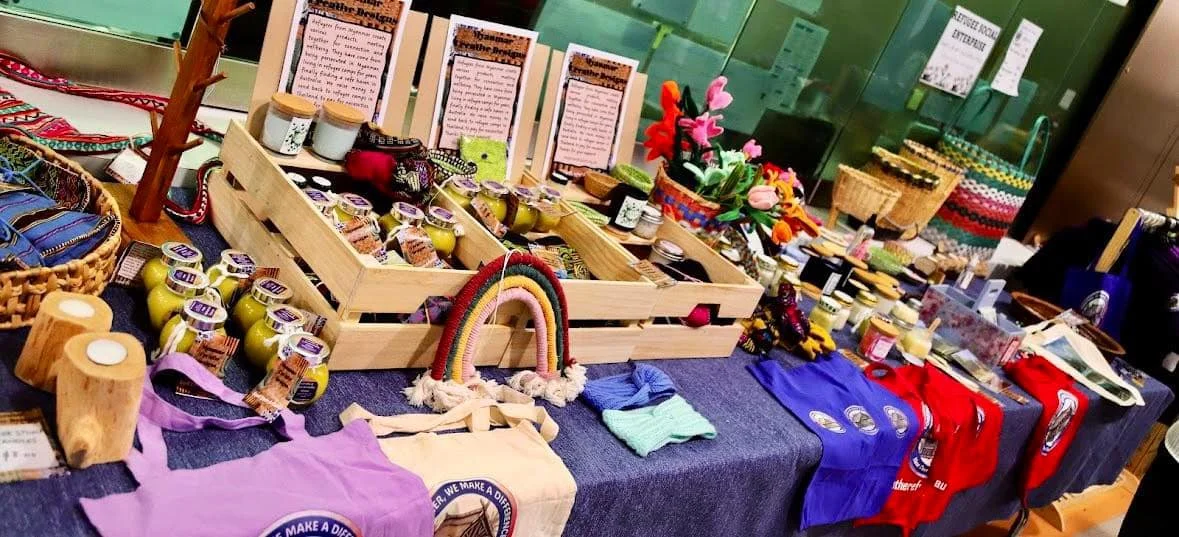
At Next Door Refugee Foundation, we create a safe space where these refugees can gather, create, and heal. Through traditional weaving, painting, and learning new crafts, they reconnect with their culture and build new skills. But their hearts remain with the families and friends still suffering in the refugee camps. Through our community markets, they sell their handmade crafts and traditional foods to raise urgent funds for those left behind. This campaign is a direct response to the medical crisis unfolding in the camps right now.
Our fundraising efforts will provide critical medical supplies, medicines, and hospital care for refugees in Northern Thailand. We may not have a long-term solution, but we can save one life. We can ensure one person gets the medicine they need, one pregnant mother delivers her baby safely, one child survives an illness that would otherwise take them. It may seem small, but to those facing life or death, it means everything.
Out of our privilege in Australia, even a small contribution can be a lifeline for someone with nowhere else to turn. The proceeds from our market sales and fundraising efforts will go directly to the medical clinics in the refugee camps, helping them through this devastating crisis.
We thank you for your kindness, your compassion, and your willingness to stand with the most vulnerable in their time of greatest need.