ART and Traditional CRAFT EXHIBITION

MISSION TRIP UPDATE
We’ve been having an incredible time delivering mental health training along the Thai–Myanmar border, working alongside teachers, health workers, volunteers, and community leaders. Together, we’ve been sharing knowledge, learning from one another, and exploring practical strategies to support those living with trauma, displacement, and loss.
The sessions have been filled with honest conversations, cultural exchange, and moments of real connection — a reminder that learning goes both ways. Each day we see not only growth in skills and confidence, but also the strength that comes from coming together as a community to support mental health and wellbeing.

UPDATES
Over the past weeks, our journey with Next Door Artisans has taken us to the Thai–Myanmar border, where stories of resilience and hardship meet every day. Together with refugee communities in Melbourne, we’ve been raising funds to respond to urgent needs, and this support made it possible for us to spend 10 days on the ground. Walking through the camps, meeting teachers, health workers, and families, we witnessed both the struggles they face and the strength that carries them forward — and we were humbled to play even a small part in standing alongside them.
“What began as a small spark has grown into a collection of projects, each changing one life at a time — and with every step forward, we dream of reaching many more."
We are so grateful for all your support! We have just completed a mission trip over to the Thai- Myanmar border, focused on assisting with material aid, hygiene donations, IPads donations, laptops, and medical donations.
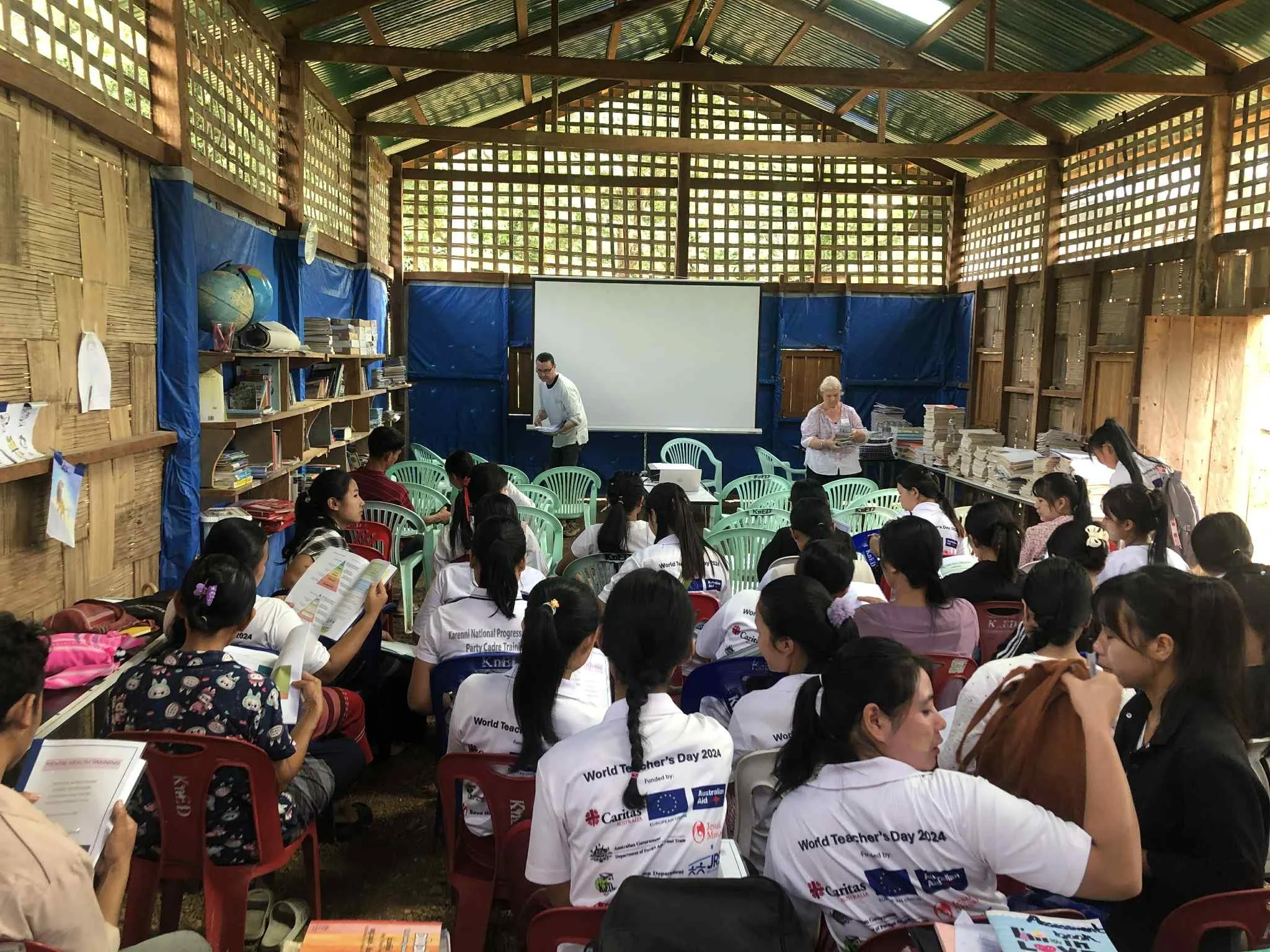
Alison and co-facilitator, Rocky Nye Reh completed mental health training with over 80 teachers, health workers and volunteers, learning about how to build helpful thinking patterns, building emotional literacy, understanding trauma, loss and grief, and suicide awareness. The training was recieved very well, and we engaged the participants in various activities, and had a great time together!
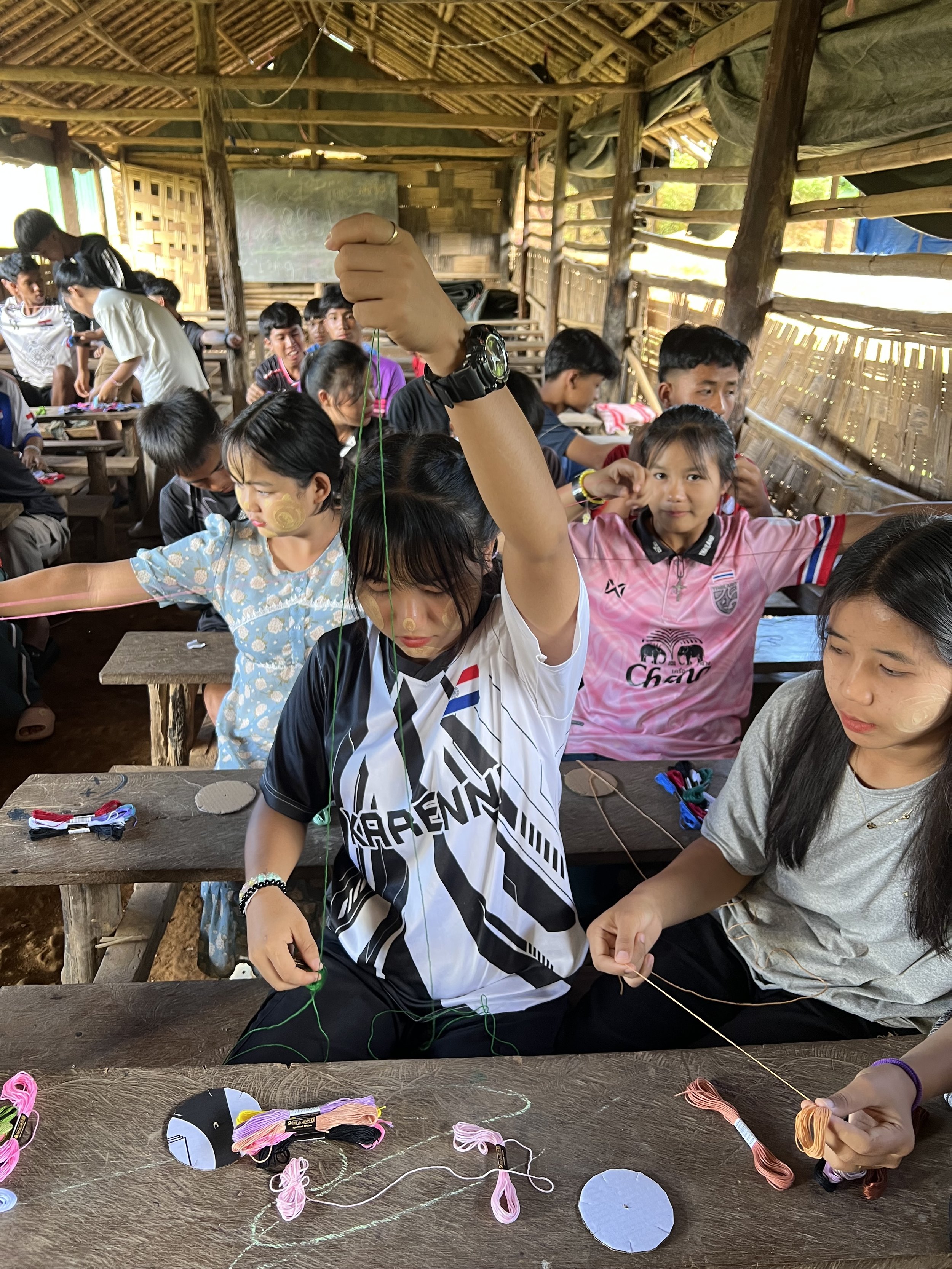
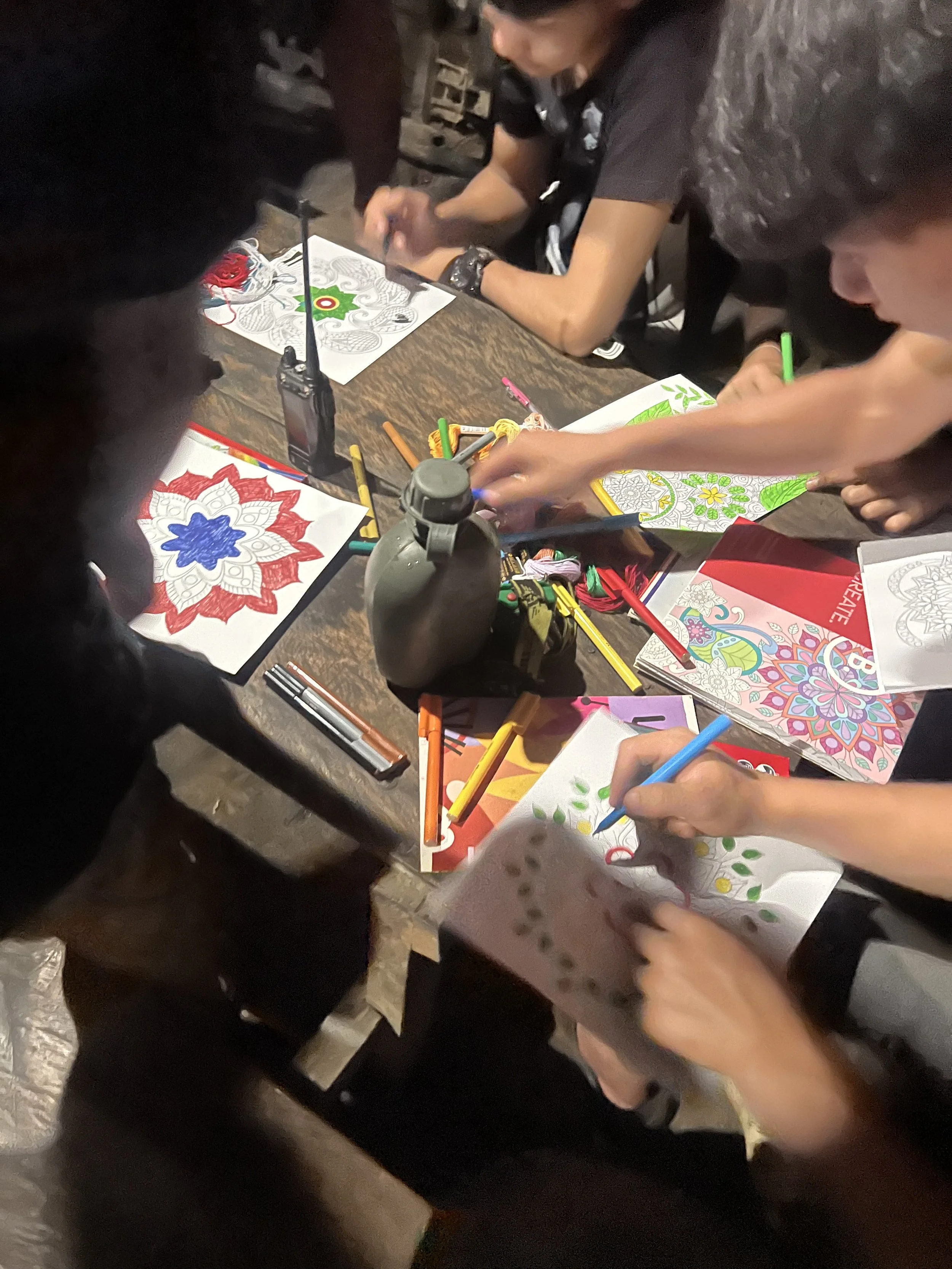
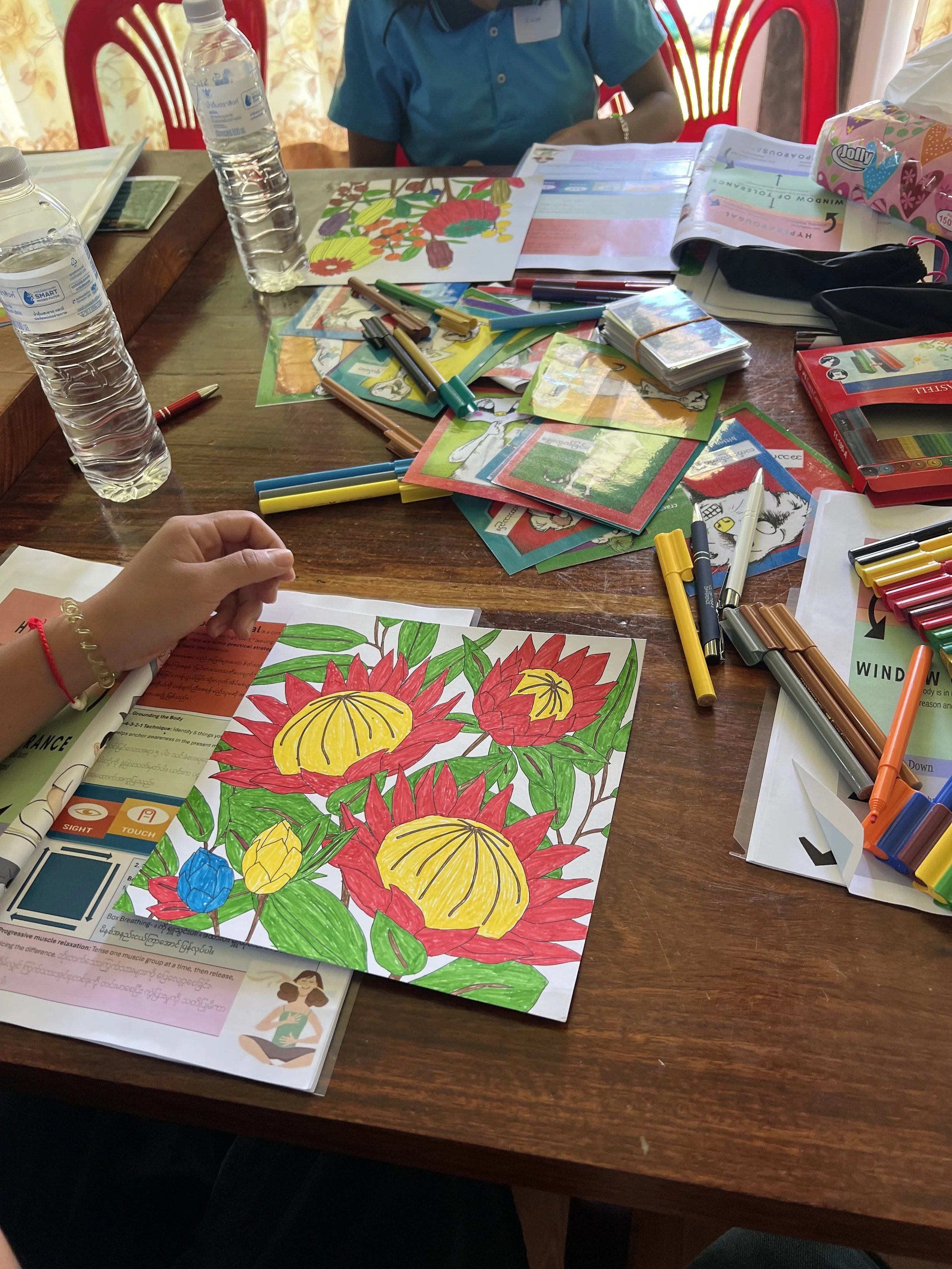
On this trip, we also engaged over 150 young people who are students in various locations in art and craft activities. They spent time making friendship bracelets and colouring in beautiful pictures. It was a great relationship building and creative time.
Donating over 75 ipads and laptops to the Karenni health department and Karenni education department was also on the agenda. These devices will assist many disadvantaged students in refugee camps and living along the border to extend their knowledge and build their skills, with access to the internet.
We had many medical donations that we brought over, for the Karenni Health Department and the amputee rehabilitation centre in Nai Soi. We provided much needed bandages and many other items they will use well into the future.
Spending time purchasing hygiene material donations, we provided over 200 students and children from disadvantaged environments, with disabilities and child protection issues, with many items that most people take for granted. They all recieved a toothbrush, toothpaste, shampoo, soap and many even recieved some nail clippers!
When visiting the kindergartens inside the Karenni Refugee camp, Alison also gave out countless matchbox cars, hair ties and clips and beaded bracelets. The children loved them and immediately started playing with them!
We had so much help from any of our new friends from the Karenni health department and education department, Jesuit Refugee Services, and others who were very willing to assist us when needed. Thank you to everyone who made this possible!

"We are just one part of a greater collective, meeting people at the intersection of struggle and survival, helping to carry hope forward. In the shared effort for change, we walk where hardship is greatest, bringing strength and hope to vulnerable communities.
Refugees living in vulnerable communities on the Thai/ Myanmar border simply cannot access the medical services they desperately need.
YOU can help!
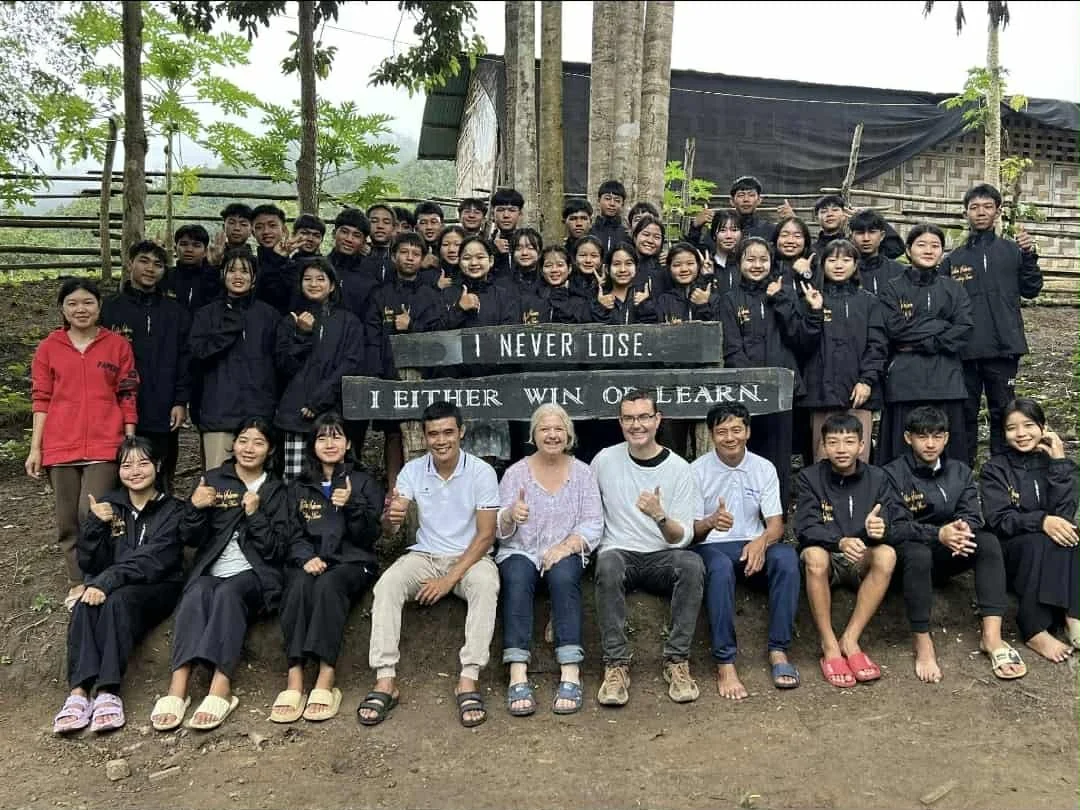
We donated jackets to a group of refugee students, providing not only warmth and protection from the cold but also a sense of unity and belonging. For many of these young people, whose parents are not nearby or who have lost their parents, the jackets became more than just clothing — they symbolised care, solidarity, and the reminder that they are not alone. Wearing them together created a shared identity and comfort, helping to foster resilience and connection in the face of loss and displacement.
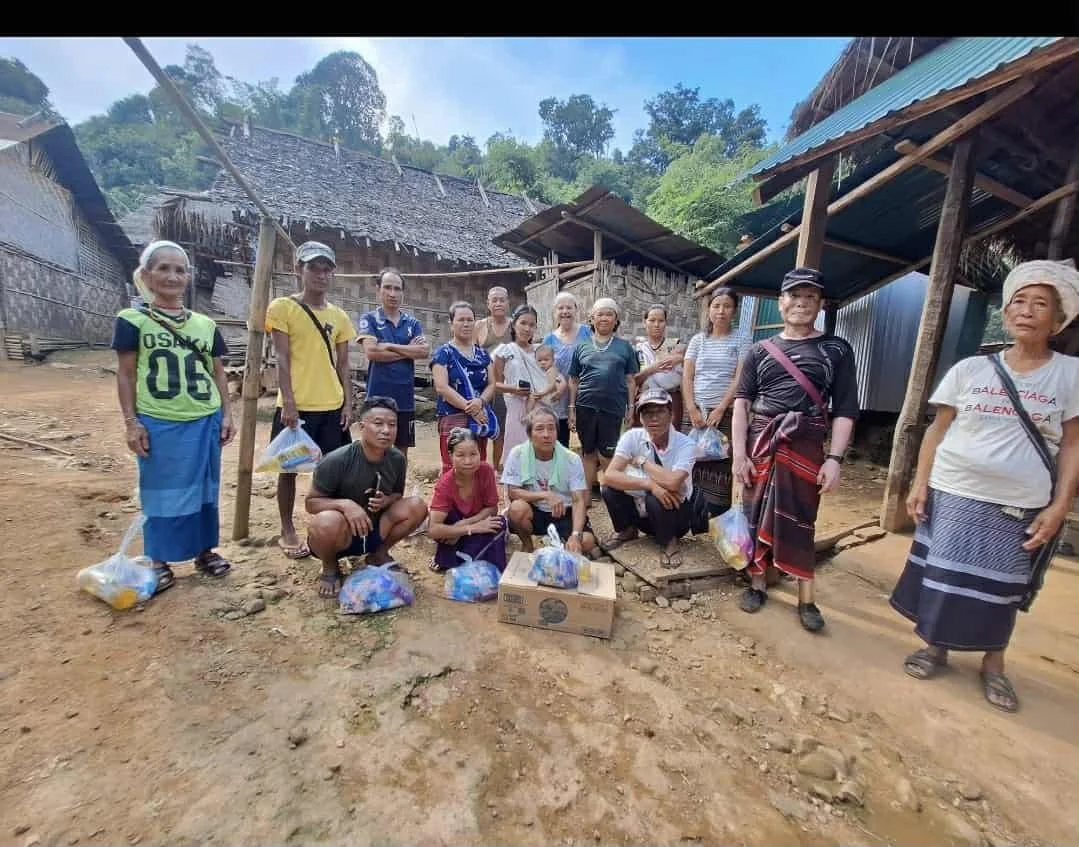
We also provided food and hygiene supplies to support 120 people and families in the refugee camp, ensuring that essential needs were met during a difficult time. Alongside these practical donations, we spent time with community members, sharing conversations that offered care, connection, and emotional support. These moments of listening and encouragement were as valuable as the supplies themselves, reminding people that their voices matter and that they are not alone.
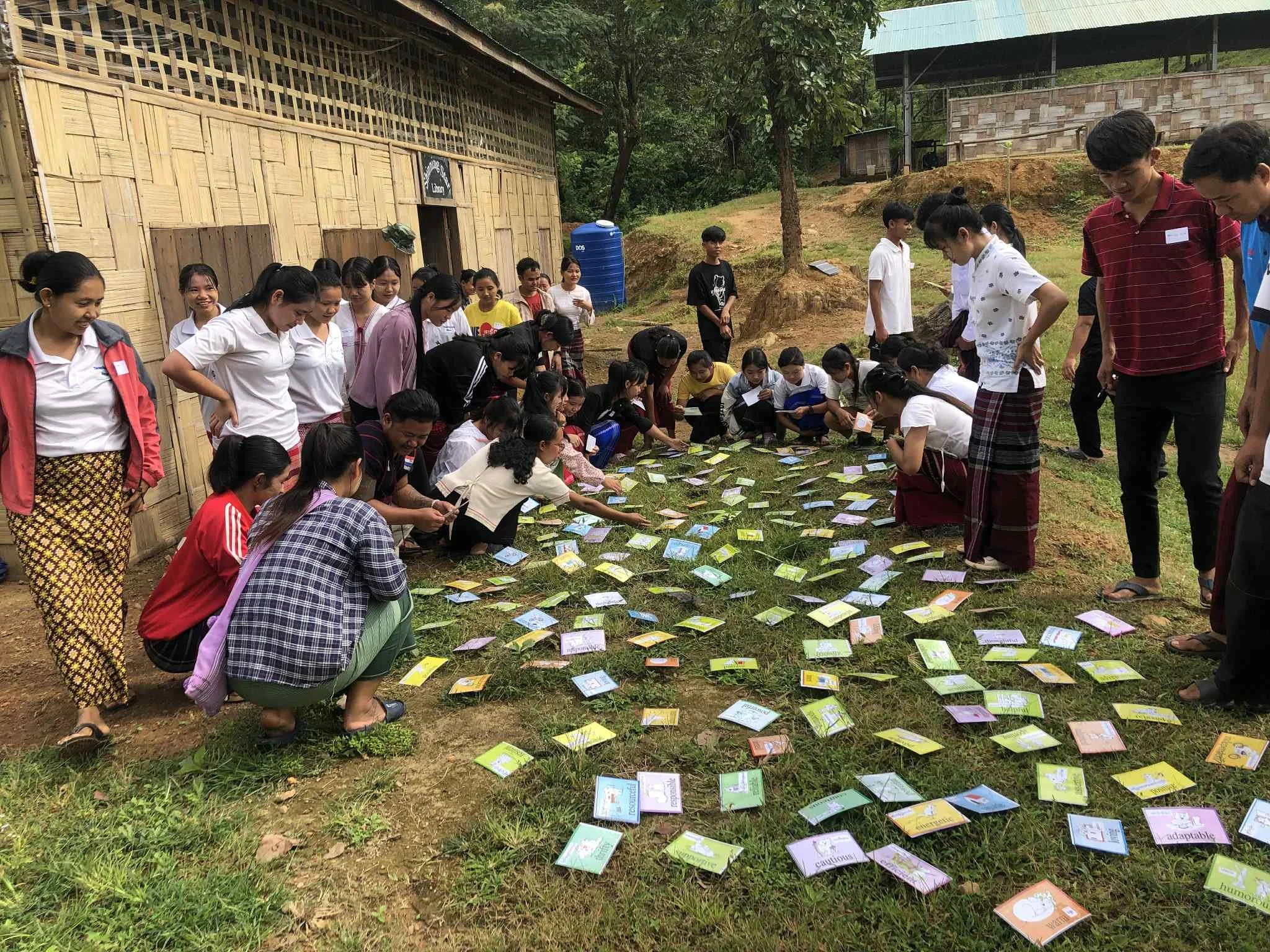

We recently delivered mental health training to more than 90 teachers, health workers, volunteers, and pastors serving refugee communities along the border. Every day, these teachers guide students who carry the weight of losing their homeland and, in many cases, their parents—children who have witnessed violence and trauma and now struggle to learn in the face of overwhelming hardship. Health workers and volunteers provide care for patients living with severe mental illness, trauma histories, and even the loss of limbs, meeting challenges that test both skill and compassion.
To strengthen their work, we created mental health workbooks in both Burmese and English, equipping participants with knowledge of common mental health presentations, practical strategies, and therapeutic interventions. We also introduced bilingual picture cards to spark conversation, allowing people to name emotions, recognise body sensations, share their strengths, and practise self-care. Each group of participants kept their set of cards, ensuring these tools will continue to support students and patients long after the training—small, lasting reminders that healing begins with understanding and connection.
When the Lights Go Out… the story of Hser Meh
“I never know if tonight will be the night we sit in darkness. The electricity comes and goes, the wires in our dormitory buzzing faintly before they fall silent again. When the bulbs flicker out, we gather around one candle, the shadows stretching across the walls. I pretend it doesn’t matter, but inside I wonder how long before even the candles are gone. Each flame feels like a treasure we cannot waste.
I am 16 years old, trying to stay focused on my studies, but it is difficult when every day brings back memories I wish I could forget. Two years ago, soldiers came to our village. I still hear the echo of boots and shouting, the smell of smoke clinging to the air. My older brother disappeared that night. Some say he ran to the jungle, others that he was taken. I do not know which story is true. My mother fled as well, and I have not seen her since. Sometimes I dream of her face, and it fades before I wake.
This month the rains have turned the ground outside our dormitory into thick mud. The well we share is cloudy, the water tasting of rust and soil. We line up with buckets anyway, because we have no choice.
Still, there are people who come to visit us — teachers, volunteers, strangers who bring small supplies. Sometimes they bring soap or notebooks, sometimes just their words of encouragement. I know they don’t have much themselves, but they look at us with kindness, and that gives me strength.
I think often about what it means to survive this. Why children like us must live with hunger, with loss, with the ache of families scattered across borders. For me, education is the only way forward. It is the lantern I hold in the dark, even when the light goes out. But it is hard to study when your body is tired, when your heart carries fear, when every day begins with uncertainty.
We need food. We need clean water. We need safety and a chance to learn. Without help, students like me risk losing not only our education, but our hope for tomorrow.”
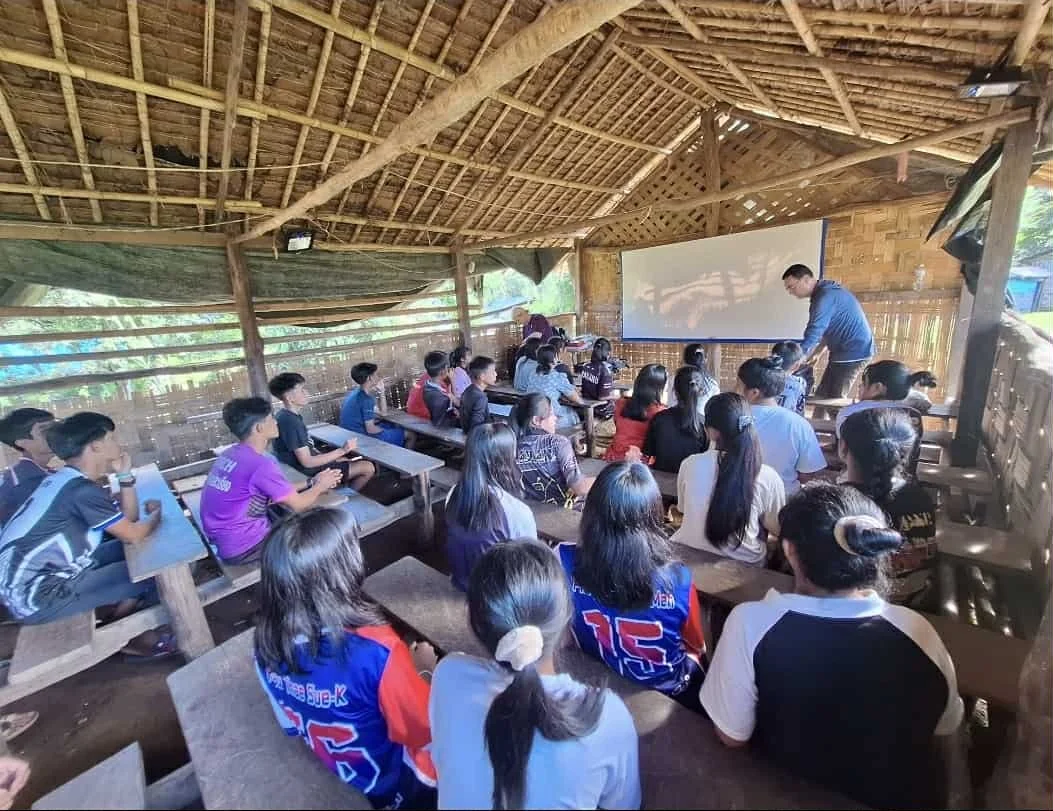
A group of students joined us for a hands-on session where creativity flowed through art and craft activities.
Together, we explored colour, texture, and design as a way to express ideas and emotions.
The activities encouraged playfulness, self-expression, and collaboration among the group.
By the end, each student had created something unique, reflecting their own story and imagination.

We coordinated medical donations to support the health department within the refugee camp, strengthening essential care services.


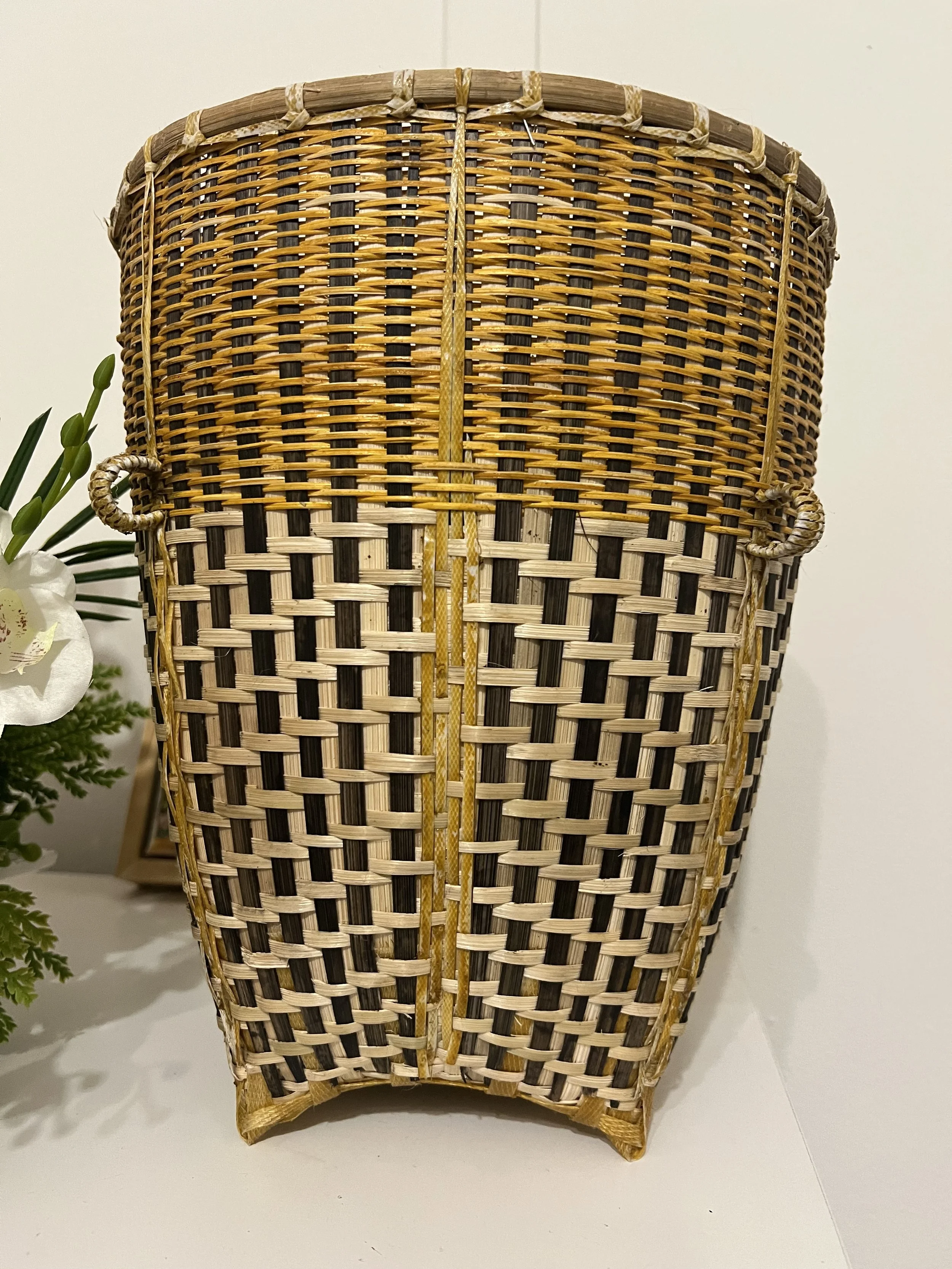
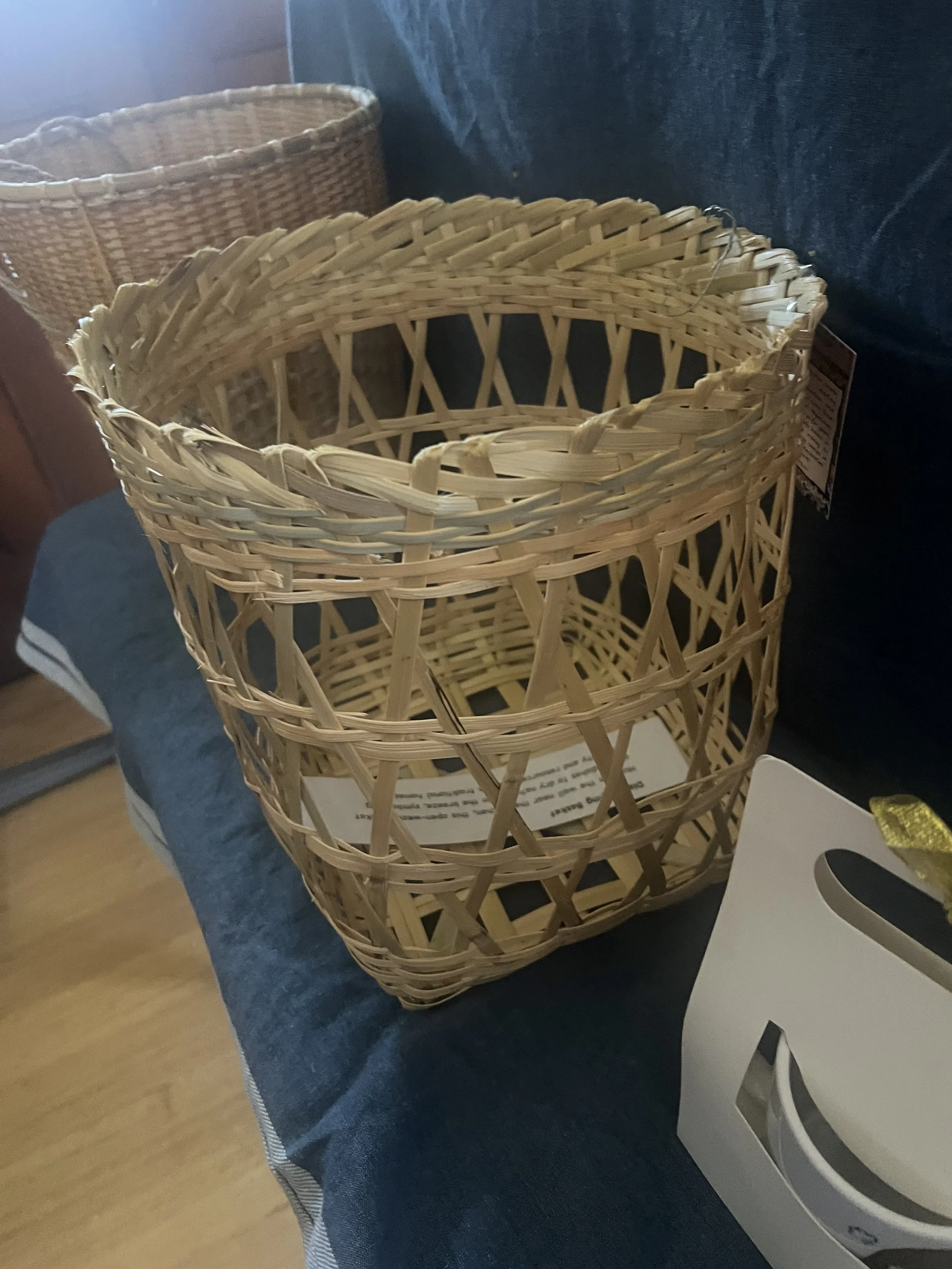
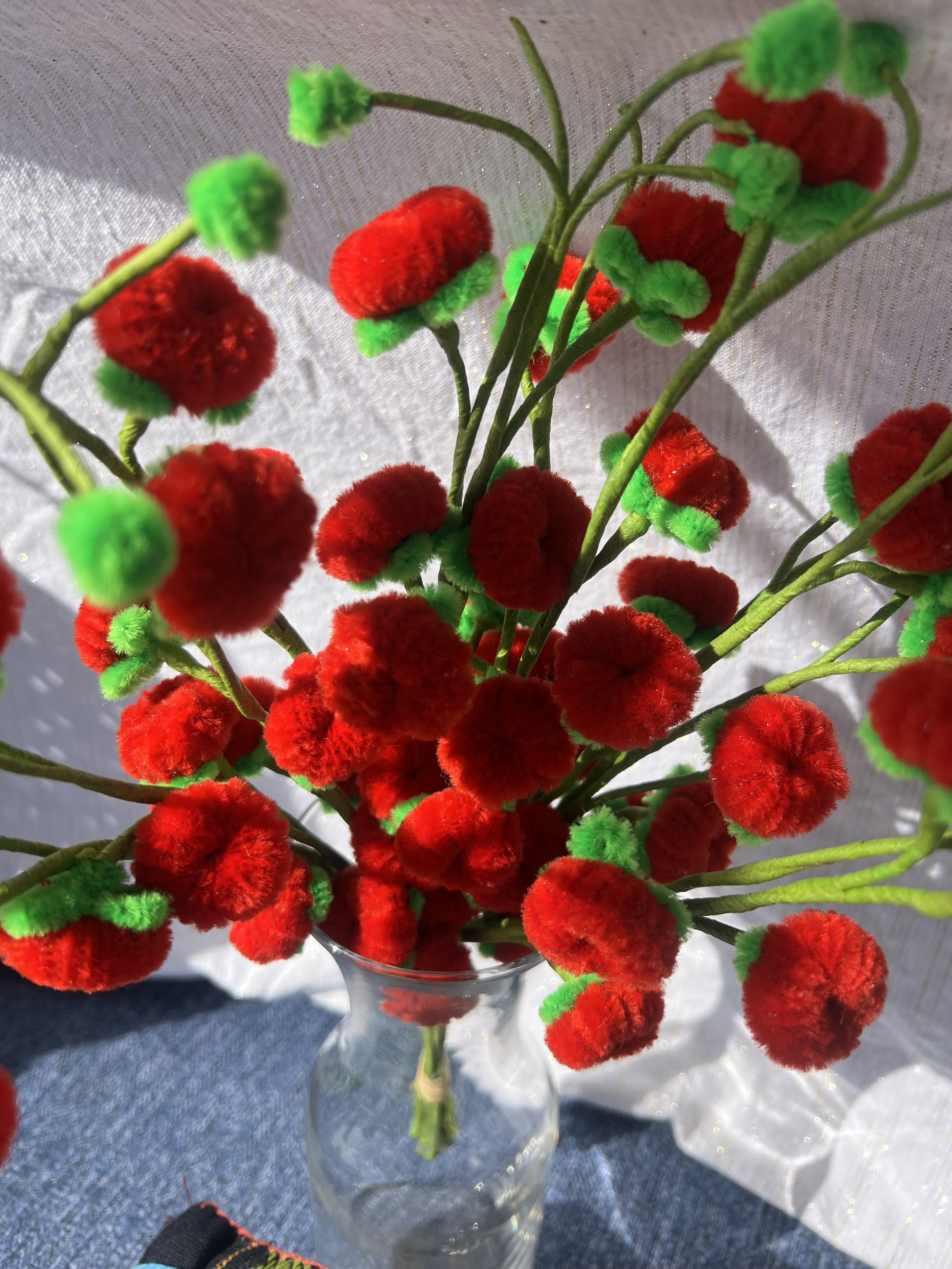
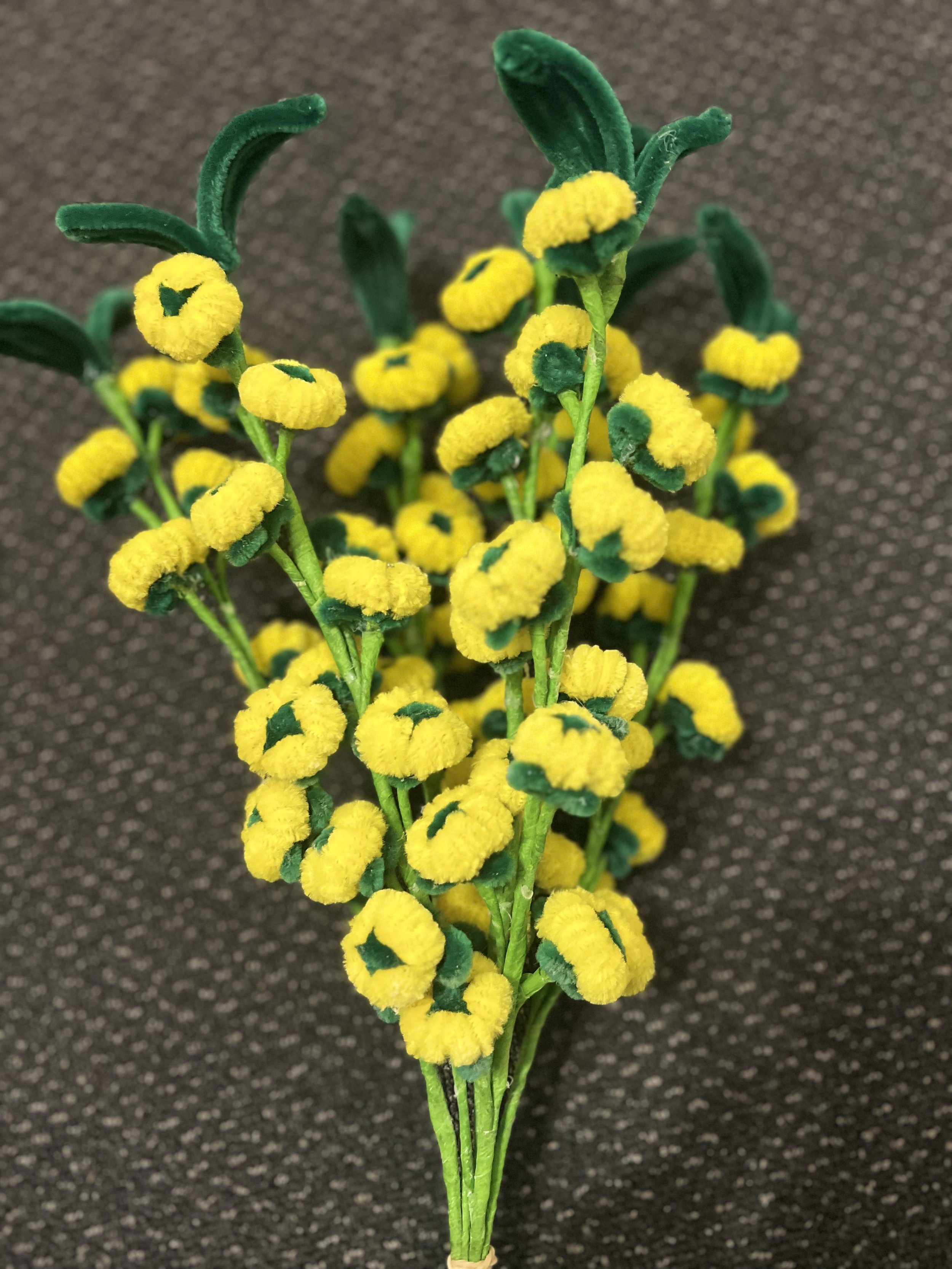
In Melbourne, two refugees from Myanmar were busily making flowers (from pipecleaners) and weaving baskets. Multiple of these were sold and the money was used to send directly to purchase the items for the internally displaced people on the border.
Thanks so much for all your help!



Next Door Artisans is a Social Enterprise in Melbourne.
Here, the Karen and Karenni refugees from Myanmar bring to life their creativity, make connections and display amazing resilience.
Our mission is to foster a true sense of belonging for Karen and Karenni refugees who have fled the conflict in Myanmar. Through creative expression, cultural preservation, and meaningful community connection, we support them as they rebuild their lives, honour their heritage, and find healing and hope in their new home.
Fostering traditional crafts and creations.
Many of these refugees come from a life deeply rooted in the hills and jungles of Myanmar, where survival was a way of life. They lived off the land, using traditional skills passed down through generations—farming, weaving, woodworking, and foraging—techniques that sustained their families and defined their identity. But war and displacement tore them away from everything they knew, leaving them in a world where their hands, once skilled in survival, felt empty.
Through our program, they are not just reconnecting with these lost traditions—they are reclaiming their sense of purpose. By sharing their skills and contributing to their new community in Australia, they find dignity, belonging, and the fulfillment of knowing that what they create, grow, and build matters. This is more than just a program; it is a way for them to heal, to feel valued, and to weave the threads of their past into a hopeful future.
Karen and Karenni refugees meeting for a craft and art group each week, for wellbeing, connection and exploring creativity.
Next Door Artisans provides a therapeutic environment for Karen and Karenni refugees in Australia to participate in various forms of art, craft, woodwork, weaving and gardening.


These products are then sold to assist with funding for essential services within the refugee camps along the Thai/Myanmar border.
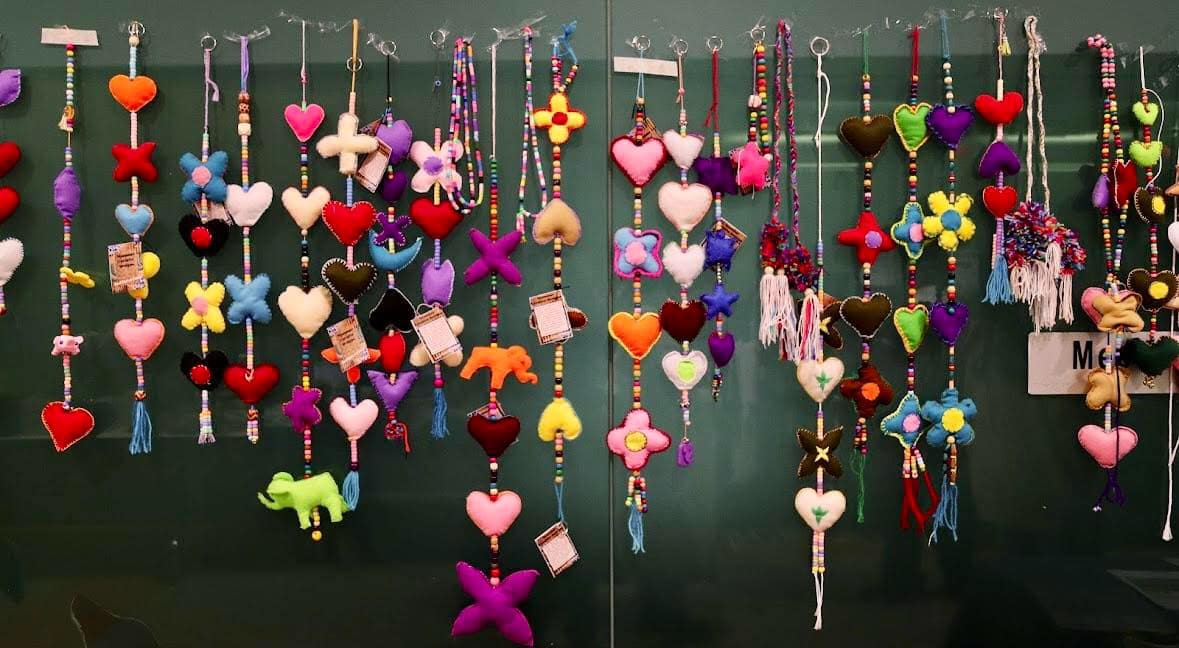
Lavender heatpacks, a wall of love, handcreams and various handicrafts made by the refugees in Melbourne to raise money for the crisis in Myanmar and Thailand refugee camps.


Together we can help those who are less fortunate with essential services and immediate need.

Sign up to hear more about what we are doing towards this cause and how you may be able to participate or help in the work that is being done.